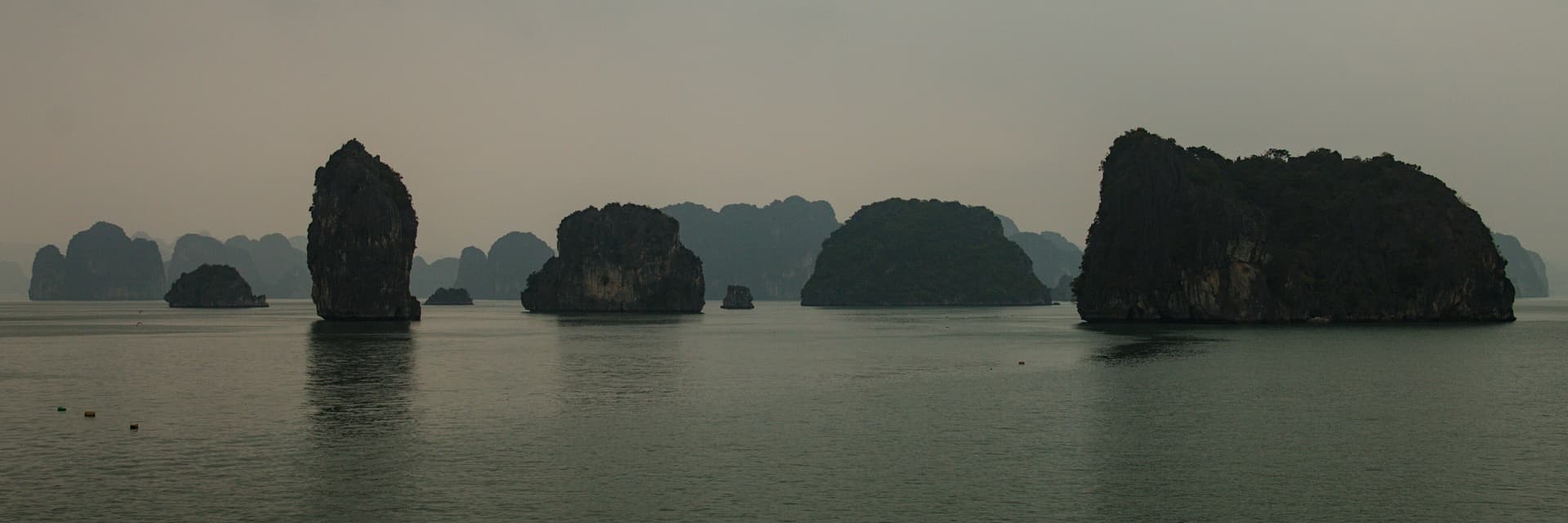
Bai Tu Long Bay is the half of the great Quang Ninh seascape that most visitors never see. This guide is about fixing that: how it compares with Ha Long and Lan Ha, how long to give it, what it actually costs and how to plan around the weather.
Bai Tu Long vs Ha Long vs Lan Ha
The three bays are neighbouring parts of one limestone landscape. Here is how they differ in practice:
| Bai Tu Long | Ha Long | Lan Ha | |
|---|---|---|---|
| Where | North-east of Ha Long, towards Van Don | Off Ha Long city (the famous core) | South, off Cat Ba island |
| Crowds | Low | High at the main stops | Low to moderate |
| Signature sights | Vung Vieng village, Thien Canh Son cave | Sung Sot cave, Ti Top, Luon cave | Beaches, Viet Hai village |
| Scenery | Open, dramatic karst fields | Dense, iconic karsts | Greener, enclosed lagoons |
| Best for | Quiet overnight cruises | Day trips, first-timers | Beaches and Cat Ba stays |
| Boards from | Ha Long piers, Hon Gai, Van Don | Bai Chay, Tuan Chau | Tuan Chau, Cat Ba, Hai Phong |
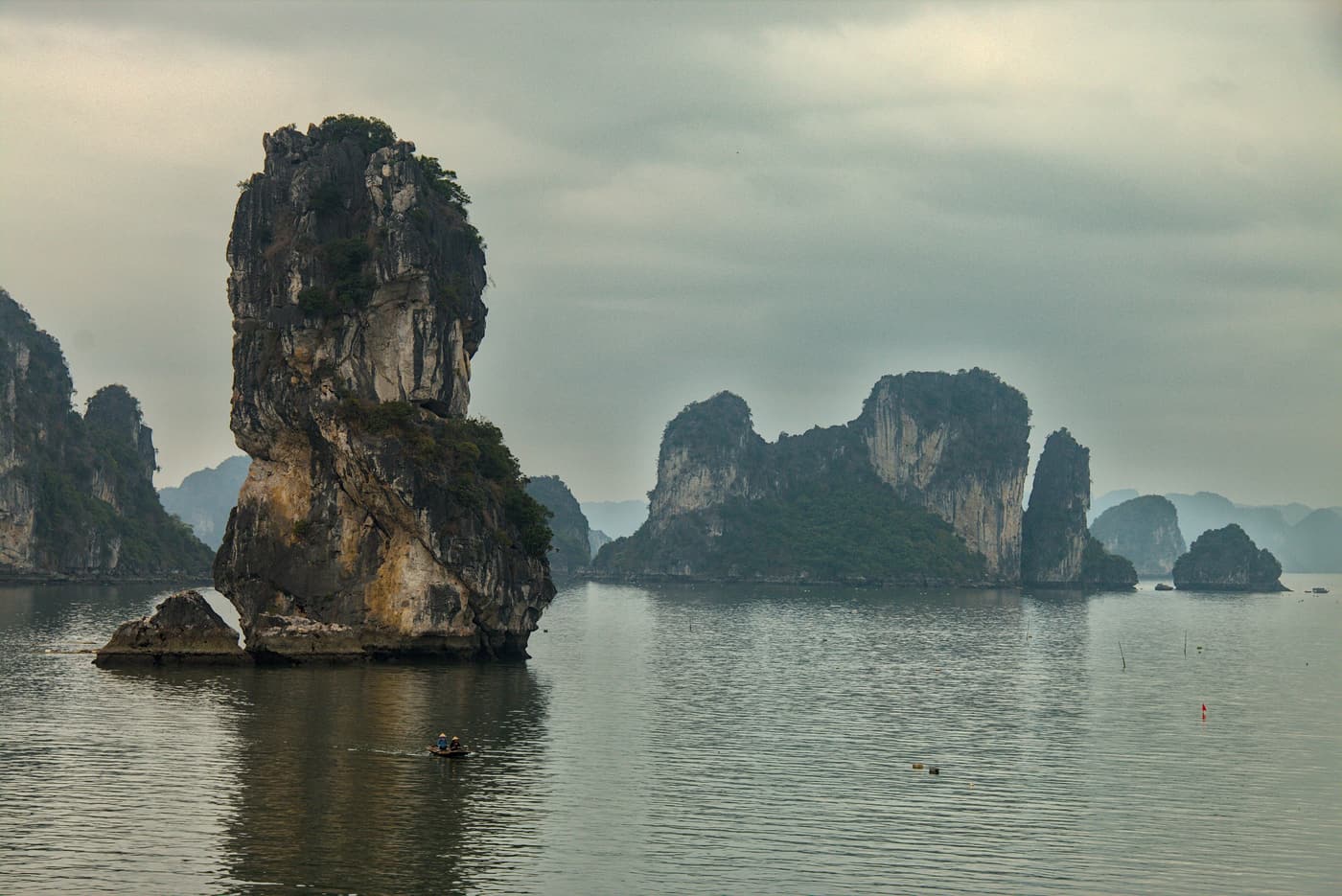 Bai Tu Long Bay
Ha Long’s quieter sister
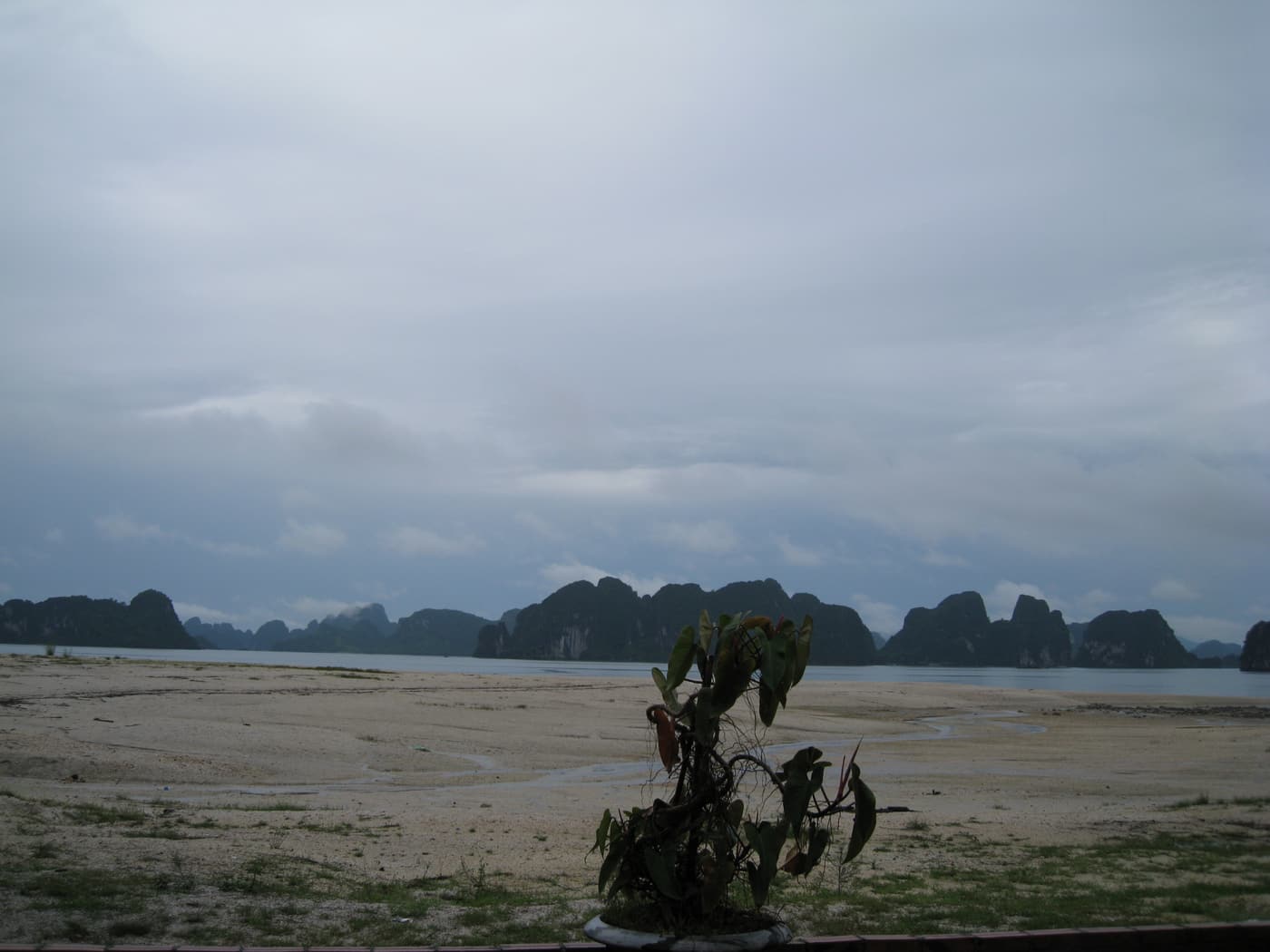
The same drowned limestone landscape as Ha Long Bay, continuing north-east towards Van Don — but with a fraction of the boats. Hundreds of jungle-topped karsts, fishing villages, hidden caves and a national park, seen from the deck of an overnight cruise.
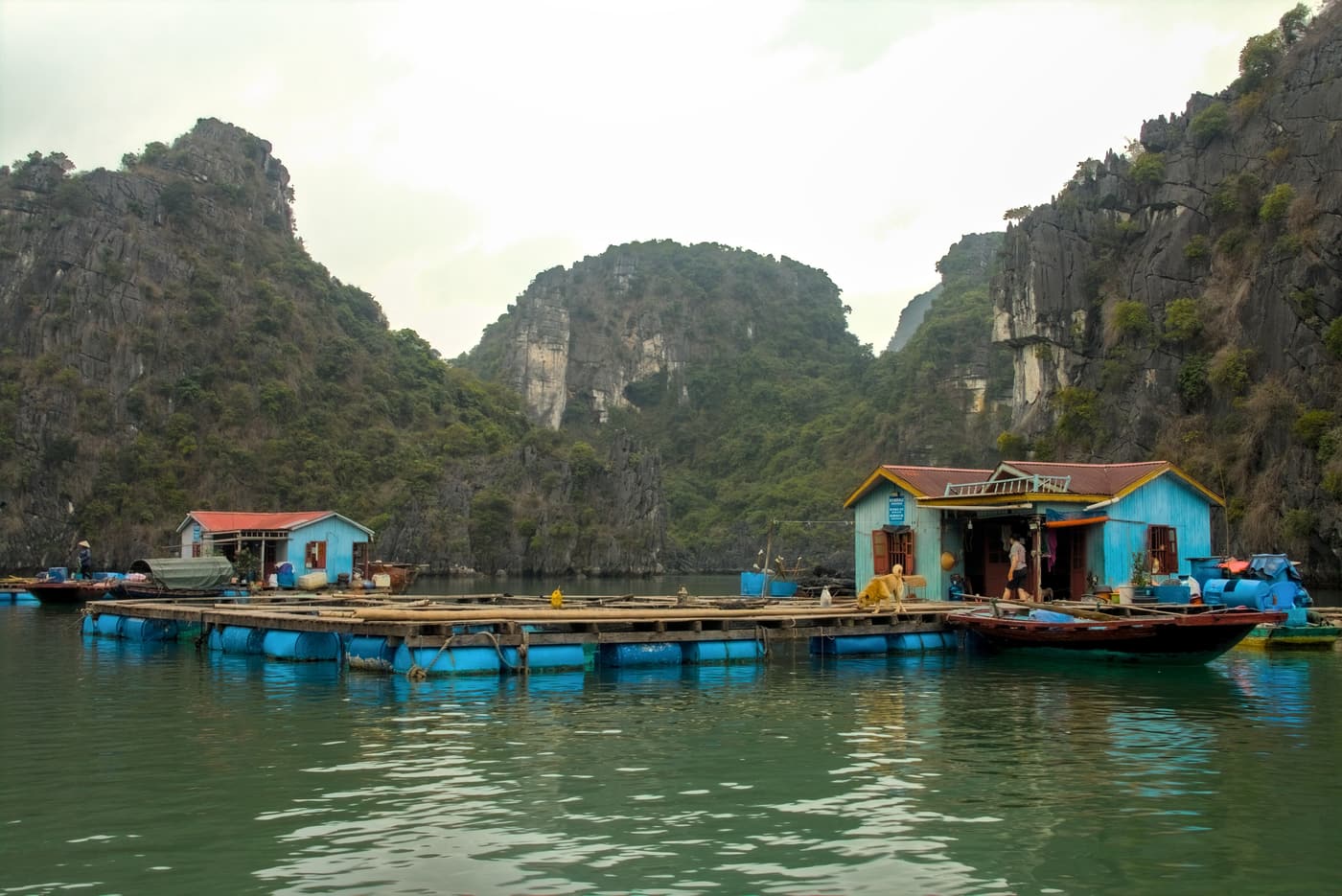 Bai Tu Long Bay
Vung Vieng Fishing Village
Life on the water
A floating fishing village tucked into a sheltered lagoon of Bai Tu Long, where houses, fish pens and pearl rafts ride on barrels beneath the karsts. Most visitors arrive by cruise and explore by rowing boat, paddled by a villager, or by kayak.
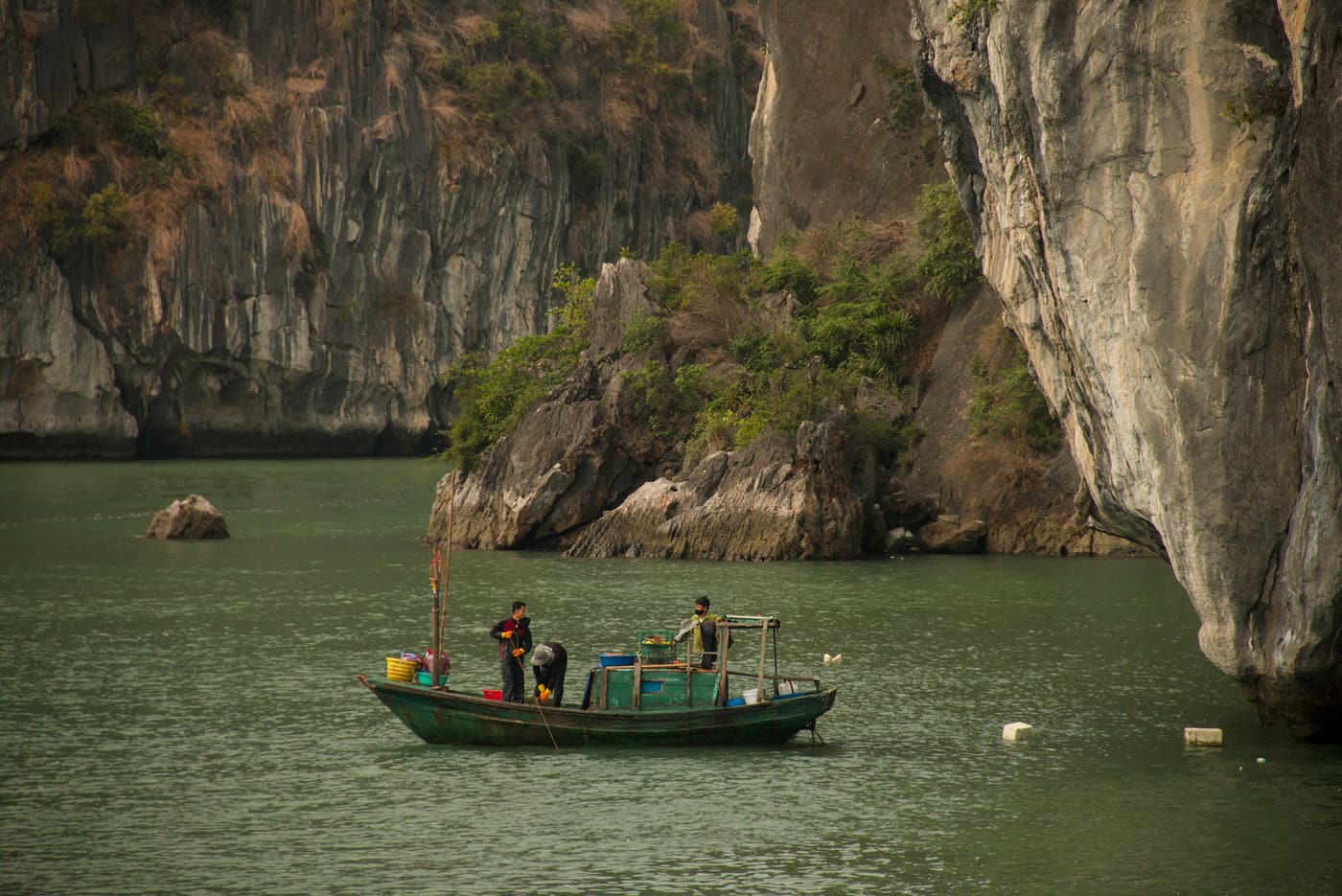 Bai Tu Long Bay
Thien Canh Son Cave
The big cave of Bai Tu Long
Usually described as the largest cave on the Bai Tu Long cruise route: a steep staircase up a karst island leads into a high chamber of stalactites, with views back over the bay from the entrance. The signature stop of most overnight cruises here.
 The outer islands
Quan Lan Island
Beaches and an old trading port
The best-known inhabited island of the Van Don archipelago: long white-sand beaches such as Minh Chau, pine forest, a historic communal house and a slow village pace. Reached by ferry or speedboat from Van Don, it is where Vietnamese families go for a beach break.
Our verdict: for a first overnight cruise, Bai Tu Long gives the best balance of scenery and quiet. If you only have a day, Ha Long’s famous stops are easier to reach. If you want beaches and to stay on an island, choose Lan Ha from Cat Ba.
How long do you need?
- One day — a day trip from Hanoi or a day cruise from Ha Long. You see the bay, but spend as long on the road as on the water.
- Two days, one night — the classic cruise and the version we recommend for most people.
- Three days, two nights — the remote lagoons and a full day on the water.
- Four or five days — a cruise plus Quan Lan or Co To island.
What to see
The highlights are Vung Vieng floating village, Thien Canh Son cave, the lagoons of the Cong Do area, and beyond the bay the beaches of Quan Lan and Co To. See all of them in our things to see guide.
What it costs
Prices vary widely with the boat. As a rough guide:
| Item | Typical price |
|---|---|
| Ha Long Bay day trip from Hanoi | from ≈€34 |
| Bai Tu Long day cruise from Ha Long | from ≈€75 |
| 2-day, 1-night cruise, mid-range | ≈€110–130 per person |
| 2-day, 1-night cruise, five-star | ≈€150–300 per person |
| 3-day, 2-night cruise | from ≈€250 per person |
| Limousine van Hanoi–Ha Long | from ≈€13 each way |
| Seafood dinner in Ha Long | ≈€10–25 per person |
| Drinks on board | usually extra; bar prices above city rates |
Prices are indicative and change with season — check live rates on our tours page.
What to eat
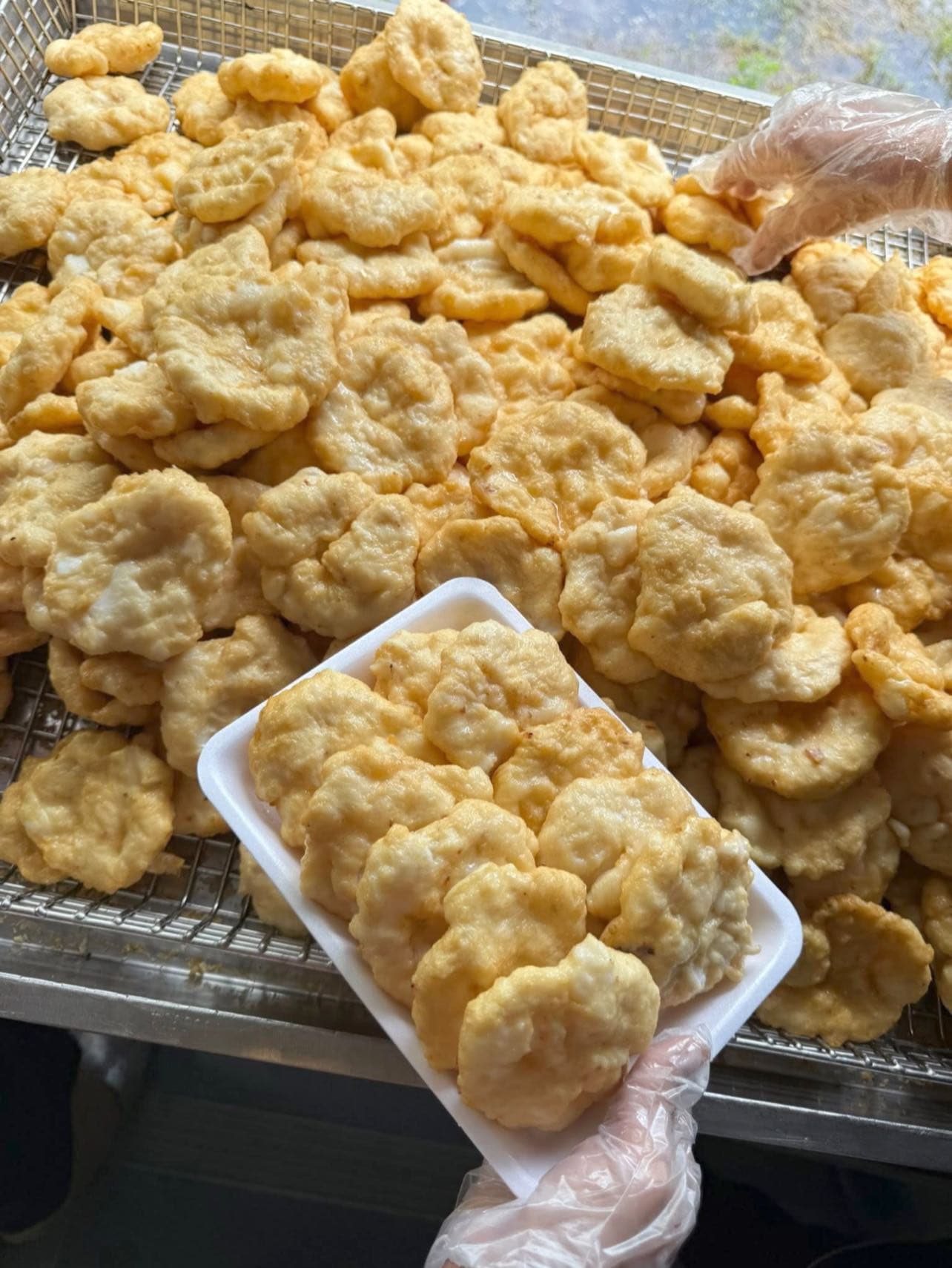
Quang Ninh is seafood country. Look for chả mực Hạ Long — hand-pounded squid cakes, fried golden and eaten with sticky rice or bánh cuốn — plus steamed crab, grilled oysters, clams with lemongrass and fresh fish. On Quan Lan, the local delicacy is sá sùng (peanut worm), dried or stir-fried. On cruises, meals are usually generous Vietnamese set menus with plenty of seafood; tell the operator in advance about allergies or vegetarian diets.
What to pack
- Swimwear, a quick-dry towel and reef-safe sunscreen (May–October).
- A warm layer and a windproof jacket for December–March evenings on deck.
- Shoes with grip for cave steps and wet landing stages.
- A dry bag for your phone when kayaking.
- Motion-sickness tablets if you are sensitive — the bay is sheltered, but the islands trip by speedboat can be choppy.
- Cash in Vietnamese dong for tips and small purchases.
Practical details
- Money: Vietnamese dong (VND). Cards are accepted on most cruises and hotels; ATMs are plentiful in Ha Long, scarcer on the islands.
- Tipping: not compulsory, but a tip for the crew and guide is customary on overnight cruises.
- Entrance fees: bay entrance and sightseeing fees are normally included in cruise prices; check if you book a private boat.
- Connectivity: 4G works across much of the bay; boat Wi-Fi is variable.
- Safety: choose licensed, well-reviewed operators, wear the life jacket when kayaking, and follow crew instructions. Sailings are suspended when storms threaten.
- Visas: check Vietnam’s current e-visa and visa-exemption rules for your nationality before travelling.
Common mistakes
- Booking a day trip when you had time for one night.
- Choosing a cruise by photos rather than by itinerary and route.
- Planning a tight connection from the pier to a flight on the day you disembark.
- Expecting tropical-beach weather in winter — December to March is cool and often misty.
- Forgetting that typhoons can cancel sailings in late summer; book with free cancellation.